
Understanding Email Scams: Spoofing vs. Hacked Accounts

St. Andrew Bay Quilters' Guild Scrapbook

Dear Members,

It’s essential to be aware of the different ways cybercriminals target our email accounts. Here’s a simple guide to help you spot and handle email scams effectively:


Spoofing:

  • Spoofed emails mimic messages from trusted sources like banks or government agencies. They often ask for personal information or urge you to click on suspicious links.
  • Even though the sender’s email address may seem legitimate, these emails usually contain red flags, such as unusual requests or spelling mistakes.
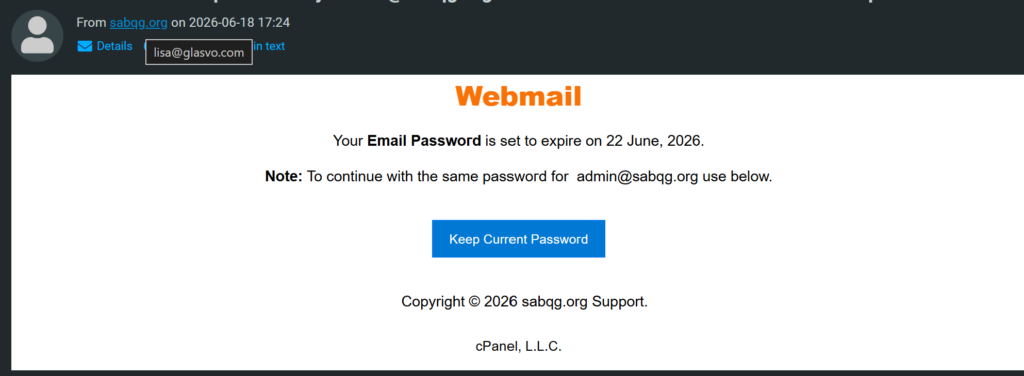
  • Verify senders email address. View message header through settings or try hovering mouse over the senders name to check actual email address.


Hacked Accounts:

  • Hacked accounts occur when cybercriminals gain unauthorized access to someone’s email. They use these accounts to send emails that appear to be from a trusted source, like a friend or colleague.
  • Because these emails come from real accounts, they can seem more trustworthy. However, they may still ask for sensitive information or try to trick you into taking harmful actions.
Scammers may use the Guild’s name or domain to make an email look real. In this example, the sender name looks familiar, but the actual email address is not a Guild address.
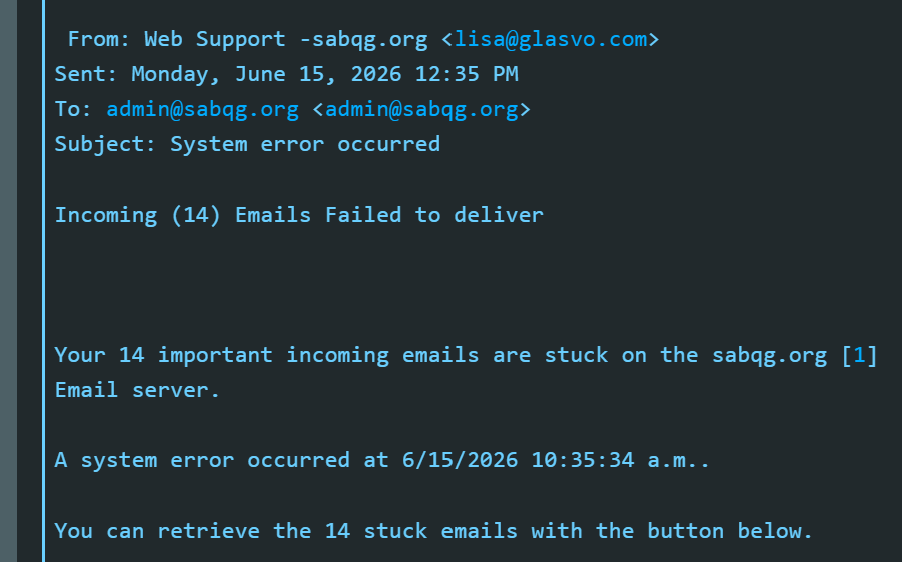
Another example of a scam email: the message may show a familiar or trusted name, but the sender’s email address does not match an official Guild email address. Always check the full email address before replying or clicking any links.

Differentiating and Responding:

  • Be cautious when you receive unexpected emails, especially if they ask for personal information or urge you to click on links.
  • Take a moment to carefully examine the email. Verify the sending email address and look for any signs that it might not be genuine. Take note of red flags such as strange requests or grammatical errors.
  • If you’re unsure about an email’s legitimacy, consider reaching out to the supposed sender directly through a trusted means, like a phone call or official website. If the sender is from the guild you can find their official contact information in the guild directory.
  • Always report any suspected phishing attempts or compromised accounts to our guild’s President and designated cybersecurity personnel. Your vigilance helps keep our community safe from online threats.


By staying informed and alert, we can protect ourselves and our guild from falling victim to email scams.

More Security Information

How to Recognize and Avoid Phishing Scams

Consumer Advice from the Federal Trade Commission.

Share:

More Posts